We saw this commercial tonight:
Something triggered a memory and I looked it up. Notice the external ear flap on the "Seal" in the commercial. Likewise, the size and placement of the flippers.
From the National Oceanographic and Atmospheric Administration's website:
What's the difference between seals and sea lions?
Have you ever wondered about the main differences between seals and their "second cousins," the sea lions?Both seals and sea lions, together with the walrus, are pinnipeds, which means "fin footed" in Latin.
But seals' furry, generally stubby front feet — thinly webbed flippers, actually, with a claw on each small toe — seem petite in comparison to the mostly skin-covered, elongated fore flippers that sea lions possess.
Secondly, sea lions have small flaps for outer ears. The "earless" or "true" seals lack external ears altogether. You have to get very close to see the tiny holes on the sides of a seal’s sleek head.
Third, sea lions are noisy. Seals are quieter, vocalizing via soft grunts.
Fourth, while both species spend time both in and out of the water, seals are better adapted to live in the water than on land. Though their bodies can appear chubby, seals are generally smaller and more aquadynamic than sea lions. At the same time, their hind flippers angle backward and don't rotate. This makes them fast in the water but basic belly crawlers on terra firma.
Sea lions, on the other hand, are able to "walk" on land by rotating their hind flippers forward and underneath their big bodies. This is why they are more likely to be employed in aquaria and marine shows.
Heh - Thompson's Water Seal Sea Lion, you are sooo busted.
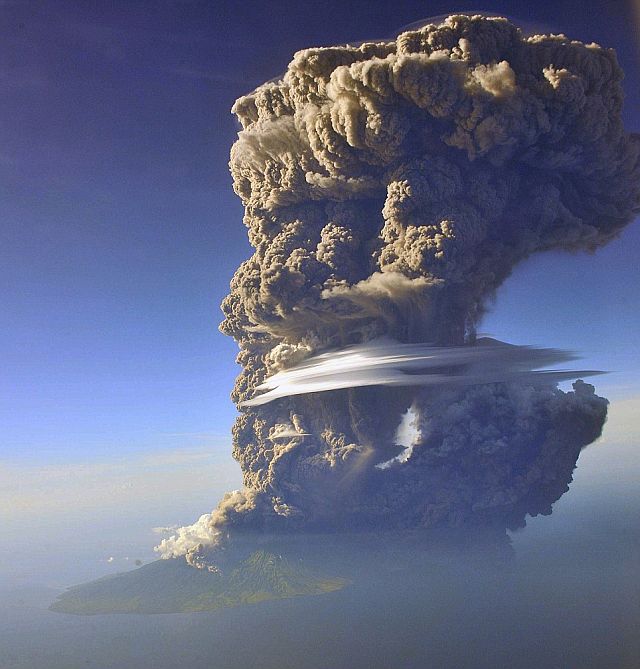
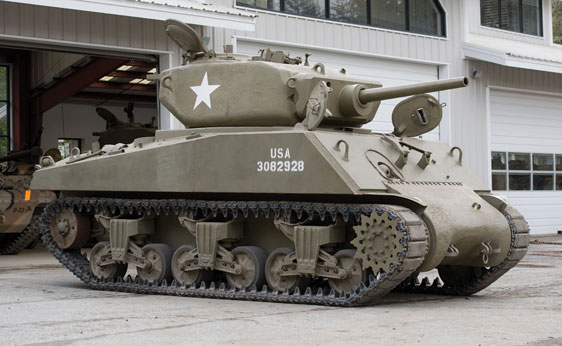



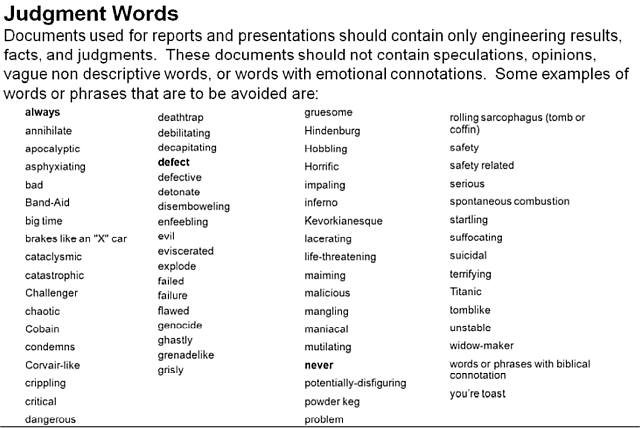 And here's the list of all 69:

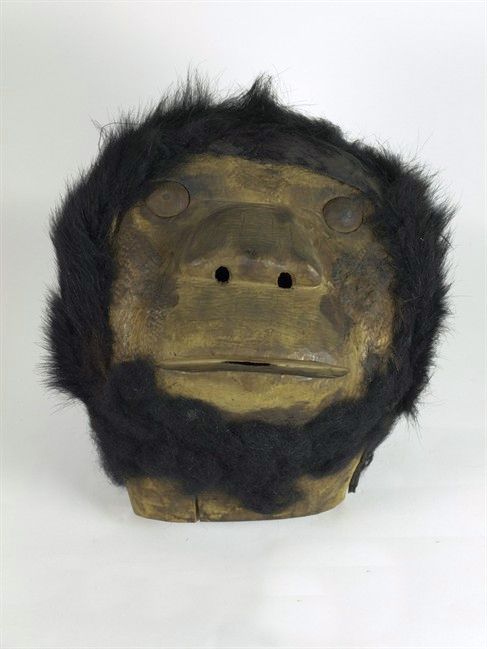 And if you happen to sight a Sasquatch?
 From [here](http://theconservativetreehouse.com/2014/05/14/bumper-sticker-of-the-day-803/).
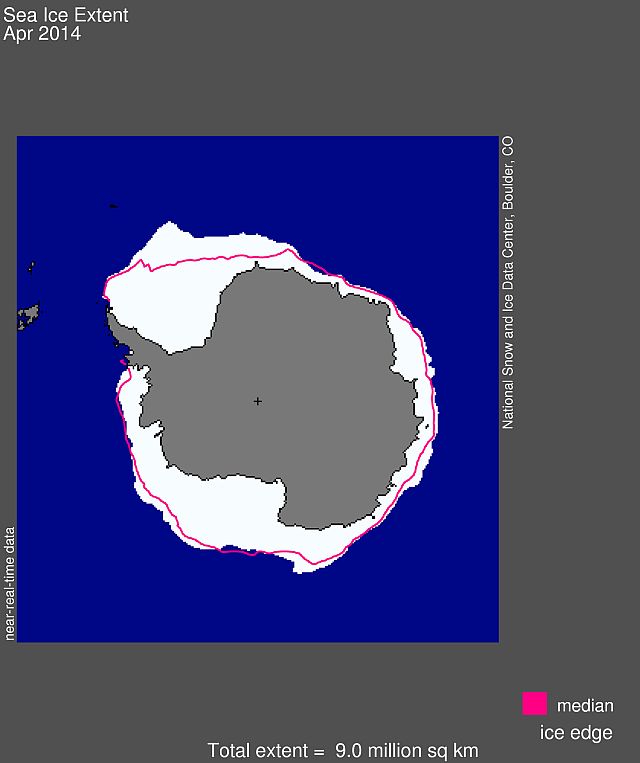
 Heh...
 Cool coffee table
  Talk about an accordion
  Drum stand with integrated microphone attach points - nice piece of metalworking!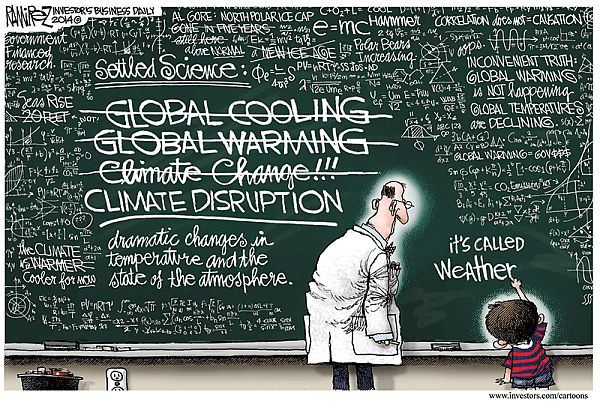
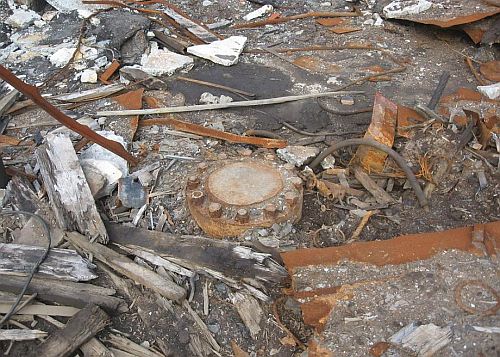 >
> How will you be celebrating on May 24, the 44th anniversary of when drilling of the world's deepest hole began?
>
> Until 1970, geologists could only theorize about the composition of the earth's crust. That year, Soviet scientists engaged in a subterranean version of the Space Race, and went all-out to beat the USA in a journey to the center of the earth.
>
> While American researchers faltered with Project Mohole, a dig off the coast of Mexico that ran out of funding in 1966, their Russian counterparts took a more determined approach. From 1970 to 1994 their drill on the Kola Peninsula burrowed through layers of rock, reaching an ultimate depth of 7.5 miles. (The distance to the center of the earth is around 3,950 miles, but the continental crust is a mere 22 miles thick.)
>
> The most intriguing discovery made by the Kola Superdeep Borehole researchers was the detection of microscopic plankton fossils four miles beneath the surface of the earth. Usually fossils can be found in limestone and silica deposits, but these "microfossils" were encased in organic compounds that remained surprisingly intact despite the extreme pressures and temperatures of the surrounding rock.
>
> Drilling at Kola stopped in the early 1990s when scientists encountered prohibitively high temperatures. The Superdeep Borehole is still the superdeepest human-made hole on the planet. You can visit the now-abandoned site, but unfortunately you won't be able to peer into the fathomless abyss — there's a hefty metal cap covering the hole. The Kola Core Repository in the nearby town of Zapolyarny displays rock samples obtained during the drilling operation.
>
Fascinating bit of scientific history - Wikipedia has a [good writeup](http://en.wikipedia.org/wiki/Kola_Superdeep_Borehole), the wonderful [English Russia has some photos and hints at some of the stories](http://englishrussia.com/2009/07/22/the-kola-superdeep-borehole/) and Wikipedia also has a debunking of the [Well to Hell hoax](http://en.wikipedia.org/wiki/Well_to_Hell_hoax)
>
> How will you be celebrating on May 24, the 44th anniversary of when drilling of the world's deepest hole began?
>
> Until 1970, geologists could only theorize about the composition of the earth's crust. That year, Soviet scientists engaged in a subterranean version of the Space Race, and went all-out to beat the USA in a journey to the center of the earth.
>
> While American researchers faltered with Project Mohole, a dig off the coast of Mexico that ran out of funding in 1966, their Russian counterparts took a more determined approach. From 1970 to 1994 their drill on the Kola Peninsula burrowed through layers of rock, reaching an ultimate depth of 7.5 miles. (The distance to the center of the earth is around 3,950 miles, but the continental crust is a mere 22 miles thick.)
>
> The most intriguing discovery made by the Kola Superdeep Borehole researchers was the detection of microscopic plankton fossils four miles beneath the surface of the earth. Usually fossils can be found in limestone and silica deposits, but these "microfossils" were encased in organic compounds that remained surprisingly intact despite the extreme pressures and temperatures of the surrounding rock.
>
> Drilling at Kola stopped in the early 1990s when scientists encountered prohibitively high temperatures. The Superdeep Borehole is still the superdeepest human-made hole on the planet. You can visit the now-abandoned site, but unfortunately you won't be able to peer into the fathomless abyss — there's a hefty metal cap covering the hole. The Kola Core Repository in the nearby town of Zapolyarny displays rock samples obtained during the drilling operation.
>
Fascinating bit of scientific history - Wikipedia has a [good writeup](http://en.wikipedia.org/wiki/Kola_Superdeep_Borehole), the wonderful [English Russia has some photos and hints at some of the stories](http://englishrussia.com/2009/07/22/the-kola-superdeep-borehole/) and Wikipedia also has a debunking of the [Well to Hell hoax](http://en.wikipedia.org/wiki/Well_to_Hell_hoax)
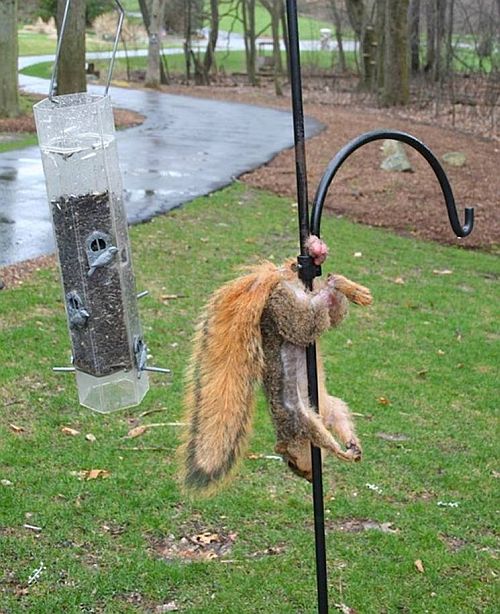 Now this is a bad day...
 So true...